The Uninvited Pattern
보이지 않는 동거인 – 시스템은 알고 있다
영어 지문
문장 해석
Smart home systems are designed to learn the behavioral patterns of their occupants, adjusting lighting, temperature, and energy consumption to match individual routines.
스마트홈 시스템은 거주자의 행동 패턴을 학습하도록 설계되어 있으며, 조명, 온도, 에너지 소비를 개인의 일상에 맞게 조정한다.
For single-person households, this technology promises near-perfect synchronization with daily habits, from morning routines to evening preferences.
1인 가구의 경우, 이 기술은 아침 루틴부터 저녁 선호도까지 일상 습관과 거의 완벽한 동기화를 약속한다.
The algorithms analyze every interaction, building a precise model of who lives within those walls — or so the system assumes.
알고리즘은 모든 상호작용을 분석하여 그 벽 안에 누가 살고 있는지에 대한 정밀한 모델을 구축한다 — 적어도 시스템은 그렇게 가정한다.
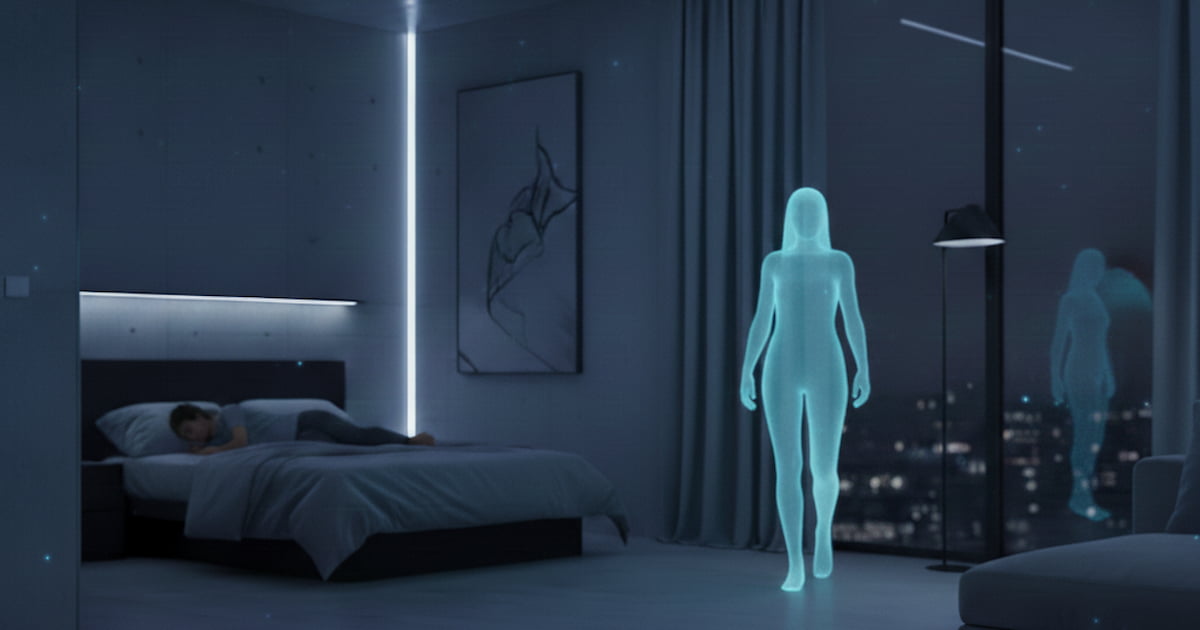
Yet in one such apartment, the machine learning algorithms have begun flagging an anomaly: a second behavioral pattern that emerges exclusively when the registered user is asleep or away.
그러나 그런 아파트 중 한 곳에서, 기계 학습 알고리즘이 이상 현상을 표시하기 시작했다: 등록된 사용자가 잠들어 있거나 외출했을 때만 나타나는 두 번째 행동 패턴.
Motion sensors detect activity at 3 a.m., ambient light settings shift when the apartment should be empty, and energy consumption spikes in rooms the resident rarely uses.
동작 센서가 새벽 3시에 활동을 감지하고, 아파트가 비어 있어야 할 시간에 주변 조명 설정이 바뀌며, 거주자가 거의 사용하지 않는 방에서 에너지 소비가 급증한다.
Consequently, unable to reconcile these patterns with a single-user model, the system quietly reclassifies the residence as having two distinct occupancy profiles.
결과적으로, 이러한 패턴들을 단일 사용자 모델과 조화시킬 수 없게 된 시스템은 조용히 해당 거주지를 두 개의 별개 점유 프로필을 가진 것으로 재분류한다.
Thus, the technology designed for convenience has become an unwitting witness, documenting evidence of presence that the human resident may never consciously perceive.
따라서, 편의를 위해 설계된 기술이 자신도 모르는 목격자가 되어, 인간 거주자가 결코 의식적으로 인지하지 못할 수도 있는 존재의 증거를 기록하고 있다.
주요 구문
S3: 삽입적 논평 구문
원문: The algorithms analyze every interaction, building a precise model of who lives within those walls — or so the system assumes.
구문 분석: 주어(The algorithms) + 동사(analyze) + 목적어(every interaction) + 분사구문(building ~) + 대시(—) + 삽입적 논평(or so the system assumes). “or so ~”는 “적어도 ~은 그렇게 생각한다”라는 의미로 앞선 내용에 의심을 제기한다.
학습 포인트 [필자 태도/빈칸추론]: “or so”는 앞 내용의 확실성을 약화시키는 표지로, 필자의 유보적 태도를 나타낸다. 수능에서 이런 표현이 나오면 이후 반전(Yet, However)이 올 것을 예고하므로, 순서배열에서 전환점 신호로, 빈칸추론에서 논리 흐름 파악의 단서로 활용한다.
S4: 전환점 Yet + 콜론(:) 동격 구문
원문: Yet in one such apartment, the machine learning algorithms have begun flagging an anomaly: a second behavioral pattern that emerges exclusively when the registered user is asleep or away.
구문 분석: Yet + 장소 부사구(in one such apartment) + 주어(the machine learning algorithms) + 동사(have begun flagging) + 목적어(an anomaly) + 콜론(:) + 동격(a second behavioral pattern) + 관계절(that emerges ~). 콜론 뒤의 명사구가 anomaly를 구체적으로 설명한다.
학습 포인트 [빈칸추론/순서배열]: Yet은 수능 빈칸추론과 순서배열에서 논리 전환의 핵심 신호이다. 콜론(:) 뒤 동격 구문은 추상어(anomaly)를 구체화하는 패턴으로, 빈칸에 추상어가 들어가면 콜론 뒤에서 정답 단서를 찾는다. 이 문장에서 anomaly가 빈칸이라면 콜론 뒤 “a second behavioral pattern”이 정답 근거가 된다.
S5: 3중 병렬구조
원문: Motion sensors detect activity at 3 a.m., ambient light settings shift when the apartment should be empty, and energy consumption spikes in rooms the resident rarely uses.
구문 분석: 첫 번째 절(Motion sensors detect ~) + 쉼표 + 두 번째 절(ambient light settings shift + when절) + and + 세 번째 절(energy consumption spikes + in + 관계절 생략). 세 개의 독립적 증거가 병렬로 나열된다.
학습 포인트 [빈칸추론/요지파악]: 3중 병렬구조는 수능 빈출 패턴으로, 세 요소의 공통점이 빈칸 정답의 핵심 단서가 된다. 이 문장에서 세 증거(동작 감지, 조명 변화, 에너지 급증)의 공통점은 “거주자가 없을 때 발생하는 활동”이다. 요지/주제 파악에서도 병렬 나열된 예시들을 관통하는 공통 개념을 찾는 것이 핵심이다.
S7: 킬링 포인트 – 대비 구조
원문: Thus, the technology designed for convenience has become an unwitting witness, documenting evidence of presence that the human resident may never consciously perceive.
구문 분석: Thus + 주어(the technology designed for convenience) + 동사(has become) + 보어(an unwitting witness) + 분사구문(documenting ~) + 관계절(that ~ perceive). “designed for ~”는 과거분사구로 technology를 수식. “unwitting witness”가 역설적 핵심.
학습 포인트 [주제/요지/제목]: “designed for A → has become B” 대비 구조는 수능 주제문의 단골 패턴이다. 글의 요지가 이 대비(편의 vs 목격자)에 집약되므로, 주제/요지/제목 문제에서 이 문장이 정답의 직접적 근거가 된다. Thus로 시작하는 마지막 문장은 결론을 담으므로 반드시 정독해야 한다.
단어 정리
| 어휘 | 품사 | 의미 | 용례 |
|---|---|---|---|
| behavioral pattern | n. | 행동 패턴 | learn the behavioral patterns of their occupants |
| occupancy | n. | 점유, 거주 | two distinct occupancy profiles |
| anomaly | n. | 이상 현상, 변칙 | flagging an anomaly |
| ambient | adj. | 주변의, 환경의 | ambient light settings |
| synchronization | n. | 동기화 | near-perfect synchronization with daily habits |
| reclassify | v. | 재분류하다 | the system quietly reclassifies the residence |
| unwitting | adj. | 자신도 모르는, 무의식적인 | an unwitting witness |
| perceive | v. | 인지하다, 감지하다 | may never consciously perceive |