Collective False Memory
집단 거짓 기억 – “그들은 서로 만난 적이 없다.”
영어 지문
문장 해석
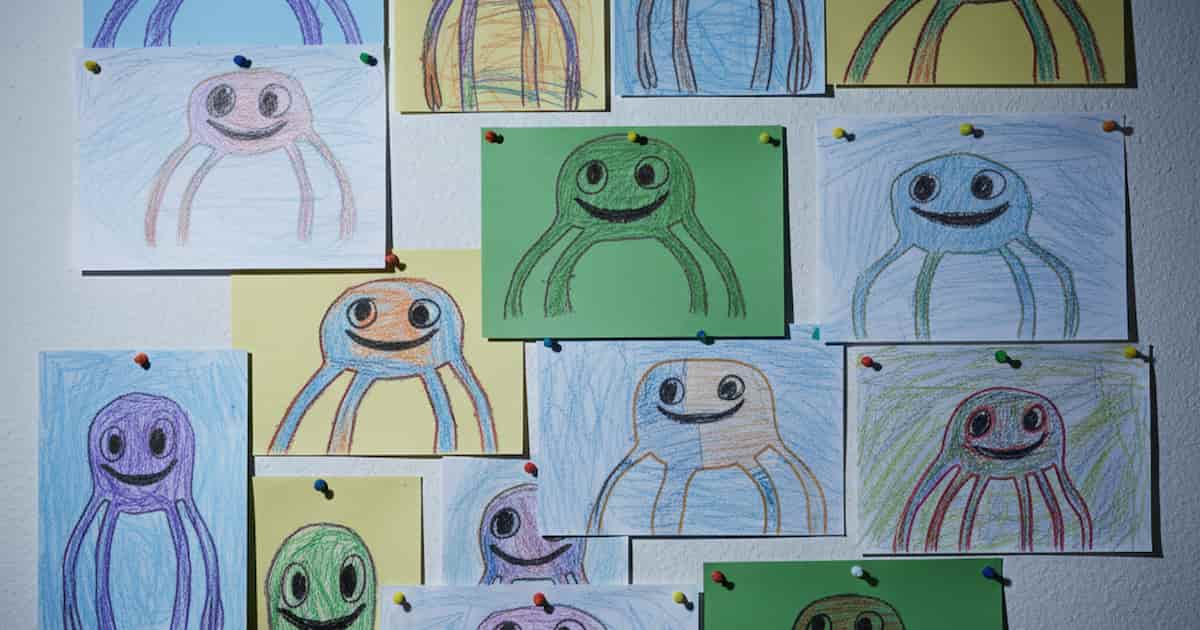
Thousands of people across different cultures vividly recall the same event — an image, a phrase, or a moment — that never existed.
다양한 문화권에 걸친 수천 명의 사람들이 동일한 사건을 — 하나의 이미지, 문구, 또는 순간을 — 생생하게 기억하지만, 그것은 실제로 존재한 적이 없다.
This phenomenon, called collective false memory, shows that large groups can share detailed recollections of something entirely fabricated.
집단 거짓 기억이라 불리는 이 현상은, 대규모 집단이 완전히 만들어진 것에 대한 상세한 기억을 공유할 수 있음을 보여준다.
Cognitive science attributes this to reconstructive memory: the brain does not replay experiences as fixed recordings but rebuilds them from fragments, allowing schemas and cultural expectations to fill gaps with invented details.
인지과학은 이를 재구성 기억으로 설명한다: 뇌는 경험을 고정된 녹화물처럼 재생하지 않고 단편들로부터 매번 재구축하며, 스키마와 문화적 기대가 빈틈을 지어낸 세부사항으로 채우도록 허용한다.
However, while these mechanisms could explain why any individual memory becomes contaminated, they fail to explain why people who never met each other independently produce the identical false detail.
그러나 이러한 메커니즘들이 왜 개인의 기억이 오염되는지는 설명할 수 있을지라도, 서로 만난 적 없는 사람들이 왜 독립적으로 동일한 거짓 세부사항을 만들어내는지는 설명하지 못한다.
Social contagion could theoretically account for shared distortion, yet researchers have found cases where no traceable common source connects the affected individuals.
사회적 전염이 이론적으로는 공유된 왜곡을 설명할 수 있겠지만, 연구자들은 영향받은 개인들을 연결하는 추적 가능한 공통 출처가 전혀 없는 사례들을 발견했다.
What remains mysterious, therefore, is not that memory proves fallible but that fallible memories across strangers converge on precisely the same error.
따라서 미스터리로 남는 것은, 기억이 오류를 범할 수 있다는 사실이 아니라, 낯선 이들의 오류 가능한 기억들이 정확히 같은 오류로 수렴한다는 사실이다.
The error is not random — it is shared, as if written by the same invisible hand.
그 오류는 무작위가 아니다 — 그것은 공유된 것이며, 마치 같은 보이지 않는 손이 쓴 것처럼.
주요 구문
S4: while + could ~, fail to ~ ★전환점★
원문: “However, while these mechanisms could explain why any individual memory becomes contaminated, they fail to explain why people who never met each other independently produce the identical false detail.”
수능Point: while + could는 “~할 수 있긴 하지만”(양보), fail to + 동사원형은 “~하지 못하다”. However 뒤 주절이 필자 입장이며, 빈칸추론에서 fail to 뒤 내용이 정답 단서가 된다.
S3: 콜론(:) + not A but B + allowing 분사구문
원문: “Cognitive science attributes this to reconstructive memory: the brain does not replay experiences as fixed recordings but rebuilds them from fragments, allowing schemas and cultural expectations to fill gaps with invented details.”
수능Point: allowing의 의미상 주어는 주절 주어(the brain)이며 능동이므로 allowing(O), allowed(X). 콜론 뒤~끝까지 한 덩어리로 읽는다.
S6: What 주어절 + not that ~ but that ~
원문: “What remains mysterious, therefore, is not that memory proves fallible but that fallible memories across strangers converge on precisely the same error.”
수능Point: What 뒤는 불완전절(주어/목적어 빠짐), That 뒤는 완전절. 빈칸추론에서 but that B의 내용이 정답이 된다.
S5: could theoretically ~ yet ~
원문: “Social contagion could theoretically account for shared distortion, yet researchers have found cases where no traceable common source connects the affected individuals.”
수능Point: could ~ yet 구조에서 yet 뒤가 정답 단서. where = in which로 치환 가능하며, 선행사(cases) + where 뒤 완전절 구조이다.
S7: 대시(—) + as if 가정법
원문: “The error is not random — it is shared, as if written by the same invisible hand.”
수능Point: as if 뒤 가정법 과거(were) 사용. as if (it were) written이 정확한 복원이며, as if + p.p. 축약 형태는 수능 빈출 패턴이다.
단어 정리
| 어휘 | 품사 | 의미 | 용례 |
|---|---|---|---|
| collective false memory | n. | 집단 거짓 기억 | This phenomenon, called collective false memory |
| reconstructive memory | n. | 재구성 기억 | Cognitive science attributes this to reconstructive memory |
| schema | n. | 스키마, 인지 도식 | allowing schemas and cultural expectations to fill gaps |
| social contagion | n. | 사회적 전염 | Social contagion could theoretically account for shared distortion |
| contaminated | adj. | 오염된 | why any individual memory becomes contaminated |
| converge | v. | 수렴하다, 한 점으로 모이다 | fallible memories across strangers converge on precisely the same error |
| fallible | adj. | 오류를 범할 수 있는 | not that memory proves fallible |
| traceable | adj. | 추적 가능한 | no traceable common source connects the affected individuals |