The Invisible Guest
영어 지문
문장 해석
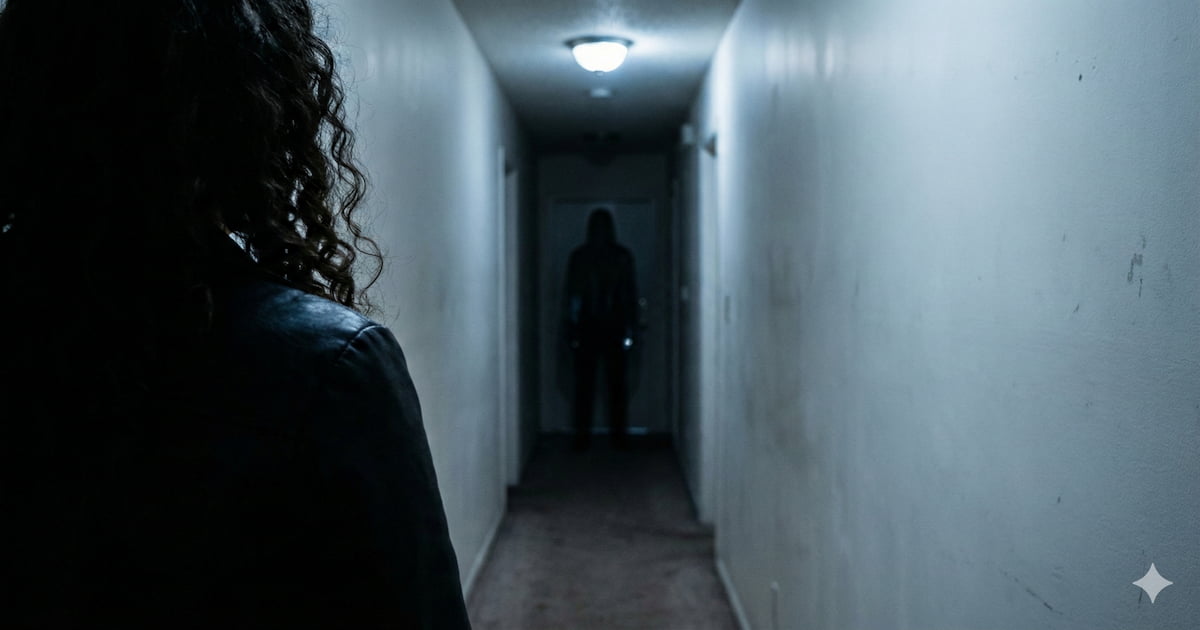
The night she moved into her new apartment, she took a photograph of herself in the hallway — bare walls, dim light, nothing behind her worth noticing.
새 아파트로 이사한 그날 밤, 그녀는 복도에서 자신의 사진을 한 장 찍었다 — 텅 빈 벽, 희미한 조명, 그녀 뒤에는 눈여겨볼 만한 것이 아무것도 없었다.
By morning, her friends had all sent the same message: who was the figure standing at the far end of the corridor?
아침이 되자, 친구들은 모두 같은 메시지를 보내왔다: 복도 저 끝에 서 있는 그 형체는 누구냐고.
She looked at the photograph again and again, zooming in until the image blurred — but the hallway behind her was empty, just as she remembered it.
그녀는 사진을 몇 번이고 다시 들여다보며, 이미지가 흐려질 때까지 확대했다 — 하지만 그녀 뒤의 복도는 기억 그대로, 텅 비어 있었다.
Over the next few days, she showed it to more friends, then to colleagues, then to people she barely knew; every single one of them pointed to the same spot and described the same thing — a tall, dark shape, standing still, facing her.
그 후 며칠에 걸쳐 더 많은 친구들에게, 그다음엔 직장 동료들에게, 그다음엔 거의 모르는 사람들에게까지 사진을 보여주었다; 한 사람도 빠짐없이 같은 지점을 가리키며 같은 것을 묘사했다 — 키가 크고, 어두운 형체가, 움직이지 않은 채, 그녀를 마주 보고 서 있다고.
She deleted the photograph, waited for daylight, and took another in the exact same spot.
그녀는 사진을 삭제하고, 날이 밝기를 기다린 다음, 정확히 같은 자리에서 다시 한 장을 찍었다.
This time, everyone agreed: there was nothing there.
이번에는 모두가 동의했다: 아무것도 없다고.
She smiled, slipped her phone into her pocket, and looked up.
그녀는 미소를 지으며 휴대폰을 주머니에 넣고, 고개를 들었다.
It had moved closer.
그것은 더 가까이 와 있었다.
주요 구문
S1: 시간 부사절 — 접속사 생략
원문: “The night she moved into her new apartment, she took a photograph of herself in the hallway”
수능Point: “The night she moved”는 “On the night when she moved”에서 전치사 On과 관계부사 when이 생략된 형태이다. the moment, the day, the instant, every time 등 시간 명사가 접속사 역할을 겸하는 구문으로, 수능 어법 문제에서 접속사 유무를 묻는 단골 출제 포인트이다.
S4: 열거 + 세미콜론 + 대시 동격 + 분사 병렬
원문: “she showed it to more friends, then to colleagues, then to people she barely knew; every single one of them pointed to the same spot and described the same thing — a tall, dark shape, standing still, facing her.”
수능Point: 지문에서 가장 긴 문장. 세 가지 구조가 중첩된다. (1) then to… then to… 열거가 보여주는 대상의 확장 — 친구 → 동료 → 낯선 사람 순서로 불안의 확산을 표현한다. (2) 세미콜론(;)은 앞 절과 뒤 절을 대등하게 연결한다. (3) 대시(—) 뒤의 “a tall, dark shape”는 the same thing의 동격이며, standing still과 facing her는 shape를 수식하는 현재분사 병렬 구문이다. 순서배열 문제에서 열거의 확장 방향(친구→동료→낯선 사람)이 배열 단서가 되며, 어법 문제에서 분사(standing, facing)의 능동/수동 판별이 출제 포인트이다.
S8: 과거완료 — 서사적 반전
원문: “It had moved closer.”
수능Point: 글 전체가 과거 시제(moved, took, looked, showed, deleted…)로 진행되다가 마지막 문장에서 과거완료(had moved)로 전환된다. 이는 S7(“그녀가 고개를 들었다”)보다 이전에 이미 완료된 동작을 나타낸다 — 즉, 그녀가 돌아보기 전에 그것은 이미 다가와 있었다는 의미이다. 시제 하나로 공포의 반전을 만들어내는 서사 장치이며, 수능 어법에서 과거완료와 과거 시제의 시간 선후 관계를 묻는 유형과 직결된다.
단어 정리
| 어휘 | 품사 | 의미 | 용례 |
|---|---|---|---|
| corridor | n. | 복도, 통로 | at the far end of the corridor |
| figure | n. | 형체, 모습 | the figure standing at the far end |
| bare | adj. | 텅 빈, 벌거벗은 | bare walls |
| dim | adj. | 희미한, 어스름한 | dim light |
| blur | v. | 흐려지다 | until the image blurred |
| barely | adv. | 거의 ~않는, 간신히 | people she barely knew |
| colleague | n. | 동료 | then to colleagues |