The Paradox of Déjà Vu
기시감의 역설 — 당신의 뇌가 경고등을 끄면
영어 지문
문장 해석
Déjà vu feels like a glitch — a momentary fracture between memory and present experience.
기시감(데자뷰)은 뇌의 결함처럼 느껴진다 — 기억과 현재 경험 사이의 순간적인 균열처럼.
Most people dismiss the sensation as a malfunction in memory retrieval because it arrives uninvited and defies rational explanation.
대부분의 사람들은 이 감각을 기억 검색 과정의 오작동으로 치부하는데, 그것이 불청객처럼 찾아와 합리적 설명을 거부하기 때문이다.
Recent neuroimaging studies of subjects experiencing déjà vu have produced a surprising finding.
데자뷰를 경험하는 피험자들을 대상으로 한 최근 뇌영상 연구는 놀라운 발견을 내놓았다.
However, the brain region most active during these episodes is not the memory center but the frontal lobe — the area responsible for error-checking, functioning as the brain’s monitoring system.
그러나 이러한 현상이 일어나는 동안 가장 활발하게 활성화되는 뇌 영역은 기억 중추가 아니라 전두엽이었다 — 오류 점검을 담당하며 뇌의 자체 감시 시스템으로 기능하는 영역이다.
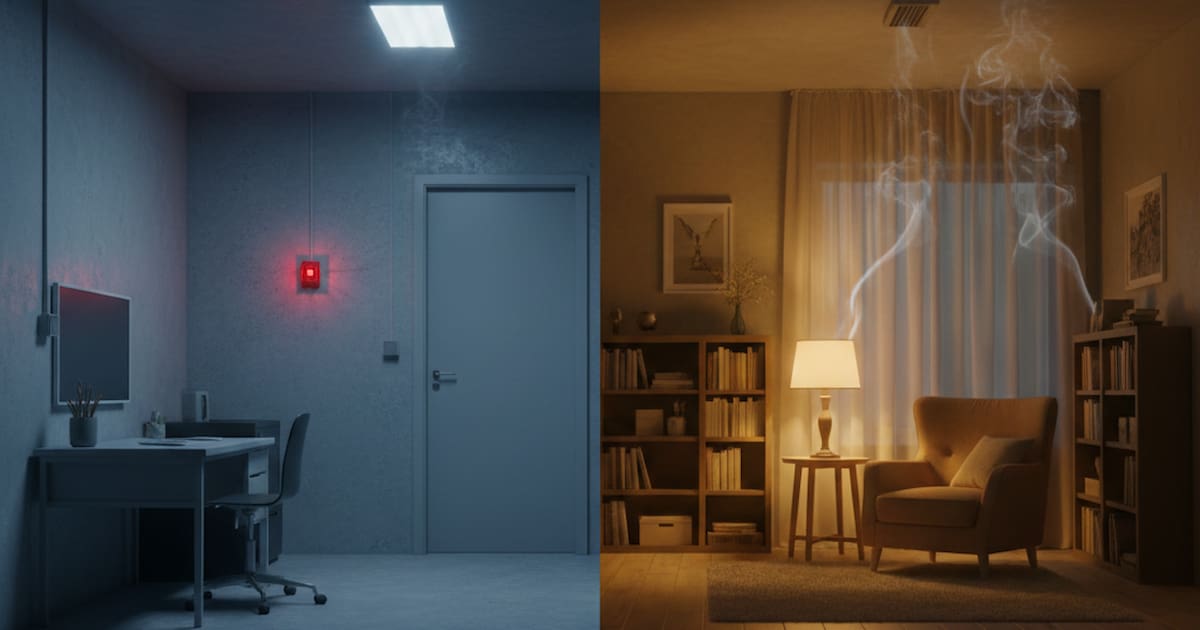
Thus, the experience signals not a failure in recall but a warning, alerting the brain that the sense of familiarity does not match any stored experience.
따라서 이 경험은 기억 회상의 실패가 아니라 경고 신호로, 친숙함의 감각이 실제 저장된 어떤 경험과도 일치하지 않는다고 뇌에 경보를 보내는 것이다.
Without this internal alarm, the brain quietly accepts fabricated memories as authentic ones, embedding false experiences into the record of a life with no warning and no trace.
이 내부 경보 장치가 없으면, 뇌는 조용히 조작된 기억을 진짜로 받아들이며, 거짓 경험을 아무런 경고도 흔적도 없이 삶의 기록 속에 새겨 넣는다.
The discomfort of déjà vu, paradoxically, signals that the brain’s defense against false memories remains intact — those who never feel it may have lost the only guard between memory and illusion.
데자뷰의 불쾌감은, 역설적으로, 거짓 기억에 대한 뇌의 방어 체계가 온전히 작동하고 있다는 증거이다 — 그것을 한 번도 느끼지 못한 사람들은 기억과 환상 사이에 서 있는 유일한 경비병을 잃었을지도 모른다.
주요 구문
S4: not A but B + 동격 대시(—) ★전환점★
원문: “However, the brain region most active during these episodes is not the memory center but the frontal lobe — the area responsible for error-checking, functioning as the brain’s monitoring system.”
수능Point: not A but B에서 B(전두엽)가 필자의 핵심 주장. 대시 삽입구는 건너뛰고 주절 구조(the brain region is… the frontal lobe)를 먼저 파악. 주제/요지 문제에서 B가 정답 근거이다.
S5: not A but B 변형 + 분사구문
원문: “Thus, the experience signals not a failure in recall but a warning, alerting the brain that the sense of familiarity does not match any stored experience.”
수능Point: not A but B 반복으로 반박 강화. alerting은 분사구문이며 의미상 주어가 주절 주어(the experience)와 일치해야 함 → 어법 문제 출제 포인트. that절 내 does not match가 빈칸추론 단서이다.
S6: Without + 명사구 (가정적 조건)
원문: “Without this internal alarm, the brain quietly accepts fabricated memories as authentic ones, embedding false experiences into the record of a life with no warning and no trace.”
수능Point: Without 뒤 명사구가 조건, 주절이 결과 → 인과관계 파악이 정답 열쇠. Without/But for/If it were not for는 수능 어법·빈칸추론 빈출 표현이며, embedding은 분사구문(동시동작)이다.
S7: 삽입 부사 paradoxically + 동격 대시(—)
원문: “The discomfort of déjà vu, paradoxically, signals that the brain’s defense against false memories remains intact — those who never feel it may have lost the only guard between memory and illusion.“
수능Point: paradoxically(역설적으로)는 필자의 관점을 드러내는 결정적 단서 → 어조/주제 문제 정답 근거. 콤마 삽입구를 빼고 주절 구조를 먼저 파악. those who + may have p.p. = “~했을지도 모른다”(추측 완료).
S2: because 이유절 + dismiss A as B
원문: “Most people dismiss the sensation as a malfunction in memory retrieval because it arrives uninvited and defies rational explanation.”
수능Point: because 이유절은 주절의 근거 제시 → 빈칸추론에서 주절이 빈칸이면 이유절이 정답 단서, 그 반대도 성립. dismiss A as B는 수능 빈출 표현이다.
단어 정리
| 어휘 | 품사 | 의미 | 용례 |
|---|---|---|---|
| glitch | n. | 결함, 오류 | Déjà vu feels like a glitch |
| fracture | n. | 균열, 파열 | a momentary fracture between memory and present experience |
| malfunction | n. | 오작동, 기능 장애 | a malfunction in memory retrieval |
| neuroimaging | n. | 뇌영상 (촬영) | Recent neuroimaging studies |
| frontal lobe | n. | 전두엽 | not the memory center but the frontal lobe |
| fabricated | adj. | 조작된, 날조된 | the brain quietly accepts fabricated memories |
| intact | adj. | 온전한, 손상되지 않은 | the brain’s defense against false memories remains intact |
| illusion | n. | 환상, 착각 | the only guard between memory and illusion |